PM Ujjwala Yojana
LPG connections for women in poor households.
Written by Pratidin; every fact checked by a separate review before publishing. How we work
Ministry of Petroleum and Natural Gas. Aimed at replacing solid cooking fuels.
Quick recall
- When was Ujjwala launched?
- 1 May 2016.
- In whose name are connections issued?
- Adult women of the household.
- What was Ujjwala 2.0?
- A 2021 phase with more connections and easier documentation for migrants.
- Which ministry runs it?
- The Ministry of Petroleum and Natural Gas.
- What is the main challenge?
- Low refill rates due to cost.
- What health problem does it address?
- Household air pollution from solid fuels.
Asked before in UPSC
Recurring theme: Clean cooking energy access and subsidy targeting
LPG subsidy for Ujjwala households is a fossil fuel subsidy with health and gender gains; weigh it in any subsidy-shift argument.
Ujjwala's LPG connections are India's main clean cooking intervention under SDG 7; add refill affordability as the weak link.
LPG subsidy via DBT (PAHAL) and the Give It Up campaign preceded Ujjwala and show the move from price subsidy to targeted support.
Cash transfer of the LPG subsidy was one of the early large DBT programmes, the base on which targeted connections for poor women were built.
The basics
Why it matters
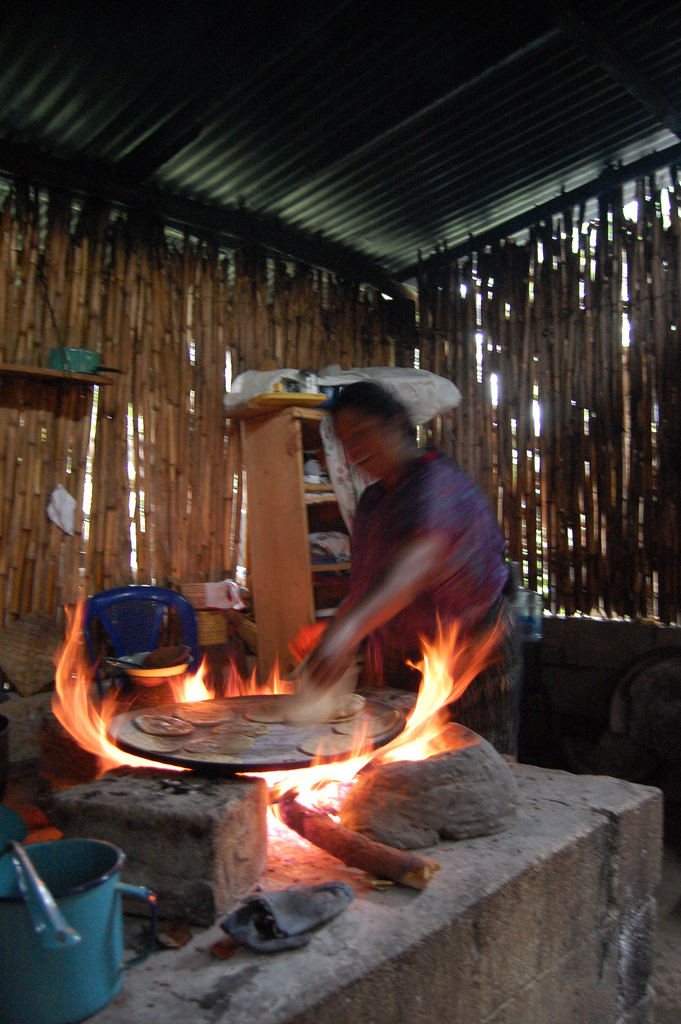
PM Ujjwala Yojana, launched in 2016, gives free LPG connections to women from poor households, to replace smoky solid fuels that harm health.
The refill problem
Connections rose fast, but regular use lags.
- 1Free connectionIssued in a woman's name.
- 2First refillOften subsidised.
- 3Refill costThe main barrier for poor families.
- 4Targeted subsidyExtra subsidy per cylinder for Ujjwala users.
You now know
- Launched on 1 May 2016.
- Free LPG connections in the name of adult women of poor households.
- Ujjwala 2.0 (2021) added migrant-friendly provisions.
- Refill rates remain a challenge.
Go deeper
In one line: Ujjwala gave poor women LPG connections, but sustained use depends on affordable refills.
Why it matters for UPSC
It links health, gender and energy access.
The core idea
Cooking on wood and dung causes Household air pollution, hurting women and children most. Access is solved by connections; use depends on Clean cooking being affordable.
Where to go next
- Household air pollution: Smoke from cooking fuels
- Clean cooking: Access to modern cooking energy
In one line: Ujjwala solved access, and refill affordability decides its impact.
Evidence
Many households stack fuels, using both LPG and firewood.
Fixes
Targeted refill subsidies, smaller cylinders and awareness of health effects of Household air pollution. See Clean cooking.
Where to go next
- Household air pollution: Smoke from cooking fuels
- Clean cooking: Access to modern cooking energy
Household air pollution
Smoke from cooking fuels
In one line: Household air pollution comes from burning solid fuels for cooking and heating.
Health effects
Lung disease, heart disease and child pneumonia.
Who suffers
Women and young children most.
Where to go next
- Clean cooking: Access to modern cooking energy
Clean cooking
Access to modern cooking energy
In one line: Clean cooking means using fuels such as LPG, electricity or biogas that produce little smoke.
Barriers
Cost, supply and habits.
Global goal
SDG 7 includes universal access to clean cooking.
Where to go next
- Household air pollution: Smoke from cooking fuels
Prelims-style quiz
PM Ujjwala Yojana provides LPG connections in the name of:
- Adult women
- Children
- Any adult
- The head of the household
Show answer
Answer: (a) Adult women. Adult women.
Consider the following:
1. Ujjwala was launched in 2016.
2. Refill rates have been a challenge.
Which of the statements given above is/are correct?- 1 only
- 2 only
- Both 1 and 2
- Neither 1 nor 2
Show answer
Answer: (c) Both 1 and 2. Both are correct.
Ujjwala is implemented by the Ministry of:
- Health
- Women and Child Development
- Rural Development
- Petroleum and Natural Gas
Show answer
Answer: (d) Petroleum and Natural Gas. Petroleum and Natural Gas.
Ujjwala mainly aims to reduce:
- Household air pollution
- Noise pollution
- Water pollution
- Soil erosion
Show answer
Answer: (a) Household air pollution. Household air pollution from cooking.